

Top Benefits of Implementing an EDRMS in Organisations
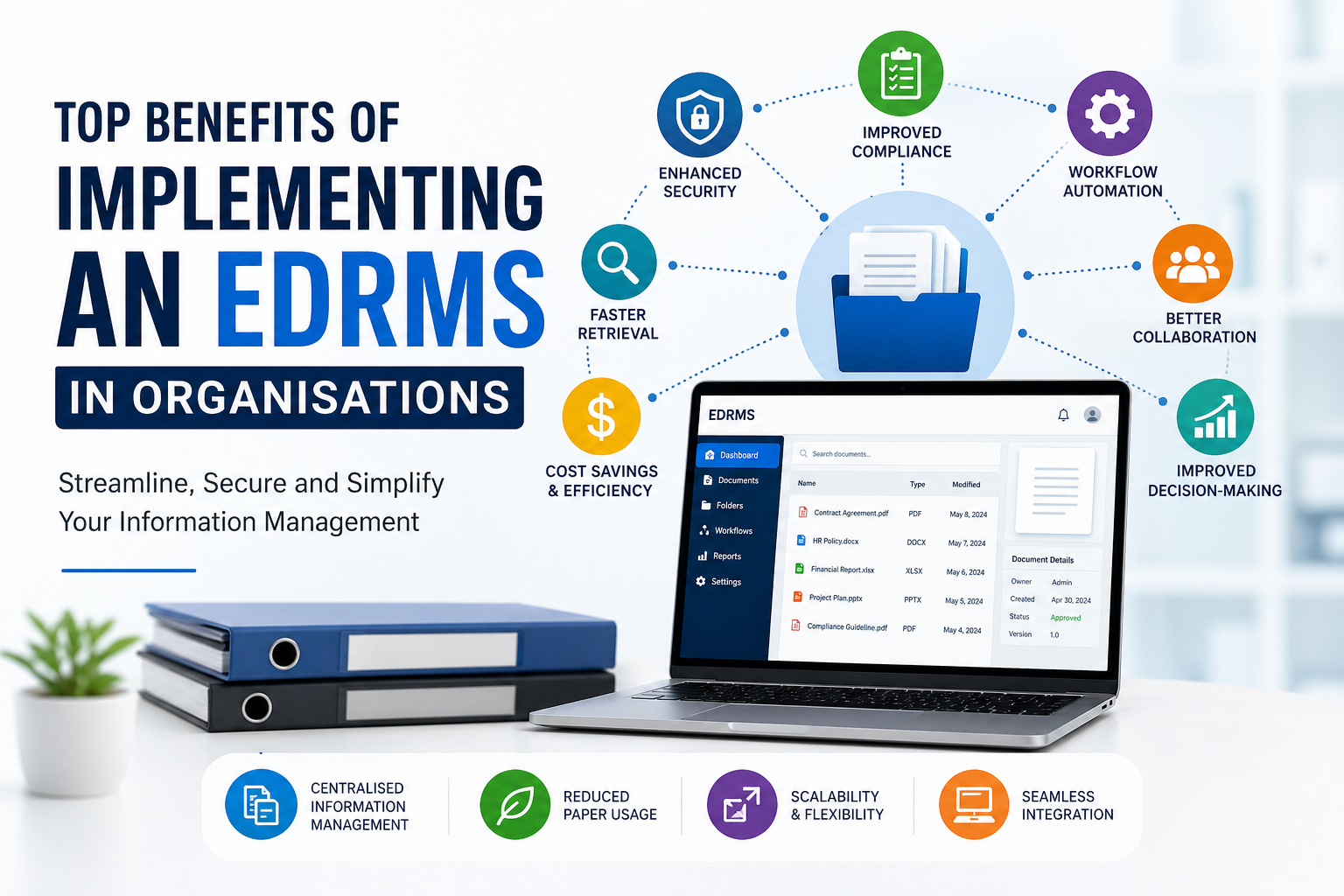
In an era where data drives decision-making, organizations are under increasing pressure to manage information efficiently, securely, and in compliance with regulations. Traditional document handling methods, whether paper-based or simple digital storage, are no longer sufficient to meet modern business demands. This is where an Electronic Document and Records Management System (EDRMS) becomes essential.
An EDRMS is designed to manage the entire lifecycle of documents and records from creation and storage to retrieval, compliance, and disposal. Solutions like Monarch EDRMS demonstrate how organizations can transform their information management processes into streamlined, secure, and intelligent systems.
Let’s explore the top benefits of implementing an EDRMS in organisations and why it’s becoming a necessity rather than a luxury.
Centralised and Structured Information Management
One of the biggest advantages of an EDRMS is the ability to store all documents in a single, centralized repository. Instead of scattered files across desktops, emails, and shared drives, everything is organized within a structured system.
EDRMS platforms use metadata and taxonomy to classify documents, making them easy to locate and manage. This structured approach ensures consistency and reduces confusion across departments. According to industry insights, centralizing documents helps organizations eliminate duplication and improves accessibility across teams.
Faster and Smarter Document Retrieval
Searching for documents in traditional systems can be time-consuming and frustrating. EDRMS solutions offer advanced search capabilities that allow users to find files instantly using keywords, filters, or metadata.
For example, systems like Monarch EDRMS provide sophisticated search tools that enable quick access to content, improving productivity and reducing wasted time.
This efficiency can save organizations hundreds of work hours annually, allowing employees to focus on more strategic tasks.
Enhanced Security and Access Control
Data security is a critical concern for any organization. EDRMS platforms provide robust security features such as role-based access control, encryption, and document locking.
With these features, only authorized users can view or edit sensitive information. Additionally, audit trails track who accessed or modified documents, ensuring accountability and transparency.
This level of control significantly reduces the risk of data breaches and unauthorized access.
Improved Compliance and Governance
Regulatory compliance is a major challenge, especially for industries like healthcare, finance, and government. An EDRMS helps organizations meet compliance requirements by automating records management processes.
It ensures proper classification, retention, and disposal of records while maintaining a complete audit history. Systems like Monarch EDRMS are designed to align with compliance standards and simplify governance processes.
This reduces legal risks and ensures that organizations are always audit-ready.
Workflow Automation and Process Efficiency
Manual processes such as document approvals, reviews, and routing can slow down operations and increase the likelihood of errors. EDRMS platforms automate these workflows, making processes faster and more efficient.
For instance, automated workflows can handle document approvals, send notifications, and track progress in real time. This streamlining of processes enhances operational efficiency and reduces administrative workload.
Better Collaboration Across Teams
In today’s remote and hybrid work environments, collaboration is more important than ever. EDRMS systems enable multiple users to access, edit, and share documents simultaneously.
By providing a centralized platform, teams can work together seamlessly, regardless of their location. Features like version control and real-time updates ensure everyone is working on the latest version of a document.
This improves teamwork and eliminates communication gaps.
Reduced Paper Usage and Cost Savings
One of the most tangible benefits of implementing an EDRMS is the reduction in paper usage. By digitizing documents, organizations can significantly cut down on printing, storage, and administrative costs.
EDRMS solutions eliminate the need for physical filing cabinets and reduce expenses related to paper, ink, and storage space. They also free up office space that can be used more productively.
Over time, these cost savings can be substantial.
Scalability and Flexibility
As organizations grow, so does their volume of data. Traditional systems often struggle to keep up with increasing demands. EDRMS platforms, however, are designed to scale effortlessly.
They can handle large volumes of documents while maintaining performance and organization. Additionally, EDRMS solutions integrate with other business applications, providing flexibility and supporting digital transformation initiatives.
Improved Decision-Making
Access to accurate and up-to-date information is crucial for effective decision-making. EDRMS systems ensure that all relevant data is easily accessible and well-organized.
By providing quick access to critical information, EDRMS enables organizations to make informed decisions faster. This leads to better planning, improved customer service, and enhanced overall performance.
Supports Digital Transformation
Implementing an EDRMS is a key step in an organization’s digital transformation journey. It replaces outdated, paper-based processes with modern, automated systems.
Solutions like Monarch EDRMS integrate with platforms such as Microsoft 365, enabling organizations to create a fully digital workplace. This not only improves efficiency but also prepares businesses for future technologies like AI and advanced analytics.
Conclusion
The benefits of implementing an EDRMS in organisations are clear and far-reaching. From improved efficiency and security to better compliance and collaboration, EDRMS transforms how businesses manage information.
While the initial implementation may require investment and training, the long-term advantages far outweigh the challenges. Organizations that adopt EDRMS solutions like Monarch EDRMS position themselves for greater efficiency, reduced risks, and sustained growth in an increasingly digital world.
Frequently Asked Questions
1. What is an EDRMS and why is it important?
An EDRMS is a system that manages documents and records throughout their lifecycle. It is important because it improves organization, security, and compliance while enhancing efficiency.
2. How does EDRMS improve productivity?
EDRMS automates workflows, reduces manual tasks, and enables quick document retrieval, allowing employees to focus on more important work.
3. Is EDRMS suitable for all types of organizations?
Yes, EDRMS can be customized for different industries, including government, education, healthcare, and private enterprises.
4. Can EDRMS help with regulatory compliance?
Yes, it ensures proper recordkeeping, retention policies, and audit trails, helping organizations meet legal and regulatory requirements.
5. What are the main challenges of implementing an EDRMS?
Challenges may include initial costs, user training, and system integration. However, these are typically outweighed by long-term benefits.
